It is metabolized by the liver and excreted in your breath, sweat, and urine. After an episode of heavy drinking, metabolites of alcohol (ethanol) may be detected by advanced blood, urine, and hair follicle testing for days or weeks. Chronic heavy drinking can lead to serious health conditions including fatty liver disease, cirrhosis, and alcohol use disorder. These conditions further compromise your body’s ability to process alcohol effectively, creating longer detection times and increased health risks. Consuming large amounts of alcohol in short time periods dramatically increases your risk of poisoning. Your liver processes alcohol at a fixed rate of approximately 0.015 BAC per hour, so drinking faster than this rate causes dangerous accumulation in your bloodstream.
Can you speed up how quickly alcohol leaves your body?
- While alcohol metabolism varies by individual, influencing everything from personal health to legal outcomes, general guidelines exist to help address this question.
- Although every person is different, here are a few common steps to consider when planning to quit drinking alcohol.
- Alcohol can be detected in your breath via a breathalyzer test for up to 24 hours.
- If your BAC is 0.01%, it means the test found 0.01 grams of alcohol in 100 ml of your blood.
How quickly or slowly you metabolize alcohol isn’t a reflection on your health or who you are as a person. Essentially, the main measure of how much alcohol is present in your system is known as Blood Alcohol Concentration (BAC). BAC describes the percentage level of alcohol in your bloodstream, providing a clear picture of how it is affecting your body. This measure is often critical in medical, legal, and alcohol rehab settings, as it offers insights into an individual’s level of intoxication and the extent of their drinking habits. Efficiency decreases under certain conditions, such as health issues or liver damage due to alcohol addiction. As a result, alcohol stays in the system longer, often causing more pronounced physical and emotional effects.
September is National Recovery Month
Hormonal changes can also influence the rate at which alcohol is eliminated. For those recovering from heavy drinking, understanding the clearance process helps manage withdrawal symptoms and plan detoxification more effectively. It also provides details regarding the alcohol’s residual effects, such as dehydration and fatigue. It is particularly essential for individuals undergoing medical treatment or those who need to ensure their system is clear of alcohol before taking medications.
Denying Our Mental Health: Why We Do It and How To Move Past It
- Although each person metabolizes alcohol a bit differently, there are a few factors that will impact how long you feel the effects and how long alcohol will remain in your system.
- Failing a breathalyzeror blood test for alcoholcan result in criminal charges such as driving under the influence.
- AddictionResource.net, and its parent company Recovery Guide LLC, is not a treatment provider and does not offer medical advice or clinical services.
- Drinking water helps maintain hydration but does not affect the rate at which the liver breaks down alcohol or how long alcohol stays in the system.
- A little bit is broken down there, but the rest reaches the small intestine and is absorbed into the bloodstream.
In severe cases, delirium tremens, medical emergency, and even hypothermia can occur. The question how long does alcohol stay in your system how long does alcoholstay your system often arises before a drug test, DUI case, or entry into a treatment center. Alcoholleaves the bloodstream in hours, but metabolites linger in various systems depending on sensitivity and specificity of the test.
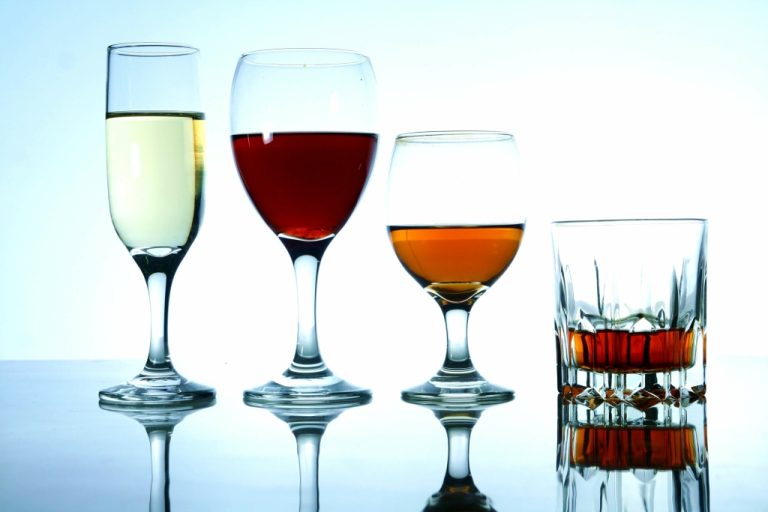
Effects appear faster on an empty stomach, with noticeable changes occurring within 10 minutes. When you consume alcohol with food, the onset delays but still begins within 45 minutes. Some saliva tests can identify alcohol use for up to 48 hours, making them effective for monitoring compliance in treatment programs or legal situations requiring abstinence verification. These composition factors explain why two people of the same weight might have different alcohol clearance rates based on their muscle-to-fat ratios. Different types of alcoholic beverages have different alcohol concentrations. A standard drink is defined as the amount of alcohol in one normal-strength (5% alcohol/10 proof) 12-ounce beer.
- It’s also important to know how much alcohol is in your drink because that will determine how long it takes to metabolize your drink.
- Also known as your blood alcohol concentration, or BAC, .08 percent counts as drunk from a legal perspective.
- Also, your liver will struggle to turn toxic acetaldehyde into harmless acetate.
- This suggests that the rate of elimination increases with the drinking experience.

Heavy drinkers may develop ascites, fluid accumulation in the Drug rehabilitation abdomen, causing significant swelling. This process can produce withdrawal symptoms ranging from mild anxiety and tremors to severe complications such as seizures or delirium tremens. Our medical detox program helps you safely purge alcohol from your system under professional supervision.
